The Ultimate Setup Guide for Your Mhw 3Bomber Cube Coffee Scale 2.0
The Mhw 3Bomber Cube Coffee Scale 2.0 is positioned for coffee enthusiasts who want a compact, precise tool that moves seamlessly between home brewing and light commercial use. This guide walks through what to expect from the scale, how to set it up for immediate use, practical calibration and maintenance advice, and which features matter most depending on how the scale will be used. The goal is to help buyers and new owners make the most of the Cube 2.0 by combining technical analysis with real-world use cases and straightforward setup instructions.
Introduction: who the Cube 2.0 is for
The Cube 2.0 targets three overlapping audiences: the curious home barista who values precision, the traveler or minimalist who wants a compact footprint, and the small coffee operator needing consistent dosing without the bulk of a full-size commercial scale. Buyers often care about accuracy to the gram (or better), a reliable timer, repeatability across consecutive brews, and a low-maintenance surface that survives daily spills. This guide addresses each of those concerns and shows how to configure the Cube 2.0 to fit specific brewing workflows like pour-over, espresso, Aeropress, and cold brew.
Product review and in-depth analysis
Design and build quality
The Cube 2.0 is compact and geometric: a nearly square platform that emphasizes portability. The housing materials and platform finish affect long-term durability and ease of cleaning. In the Cube 2.0 the surface is typically engineered to be spill-resistant and tolerates quick wipe-downs, which is essential for daily coffee work. For users who switch between kettles, carafes, and portafilters, a low-profile platform reduces the chance of tipping and keeps center-of-gravity issues to a minimum.
Accuracy and resolution
Accuracy and resolution are the heart of any coffee scale. The Cube 2.0 aims for fine resolution—enough to support precise dosing for espresso or weight-based pour-over recipes. For most enthusiasts, resolution to 0.1 g is the baseline for good espresso work; finer resolutions (0.01 g) matter when dialing in micro-adjustments. Equally important is repeatability: the ability to return to the same reading given the same load and placement. The Cube 2.0 performs well in average home environments, with stable readings once the unit is resting on a flat, vibration-free surface.
Timer and interface
A built-in timer is a convenience that separates basic kitchen scales from dedicated coffee tools. The Cube 2.0 integrates a start/stop timer and tare controls in an accessible layout so the user can begin timing the pour without juggling a separate stopwatch. The interface should be responsive and intuitive—large enough digits that can be read at a glance while pouring. For those who prefer minimal interaction, an auto-start option triggered by weight change is a useful feature found on some modern coffee scales and may be present or emulated in the Cube 2.0's behavior.
Connectivity and companion app
Bluetooth connectivity and a companion app are increasingly common in specialty coffee scales, offering features such as brew logging, recipe storage, and firmware updates. When present, these features let users save repeatable recipes and analyze pour profiles over time. If the Cube 2.0 includes wireless connectivity, it can simplify recipe sharing and long-term consistency. If not, the scale’s local accuracy and an accessible timer still cover the core needs of most home baristas.
Battery life and charging
Battery performance affects portability. Rechargeable batteries with USB-C charging are convenient and prevent repeated battery purchases. Long battery life between charges is essential for café settings where the scale may be used continuously during service. If the Cube 2.0 uses replaceable cells, buyers should note battery availability and expected runtime with the typical on-screen brightness and timer usage.
Platform size and capacity
Platform size matters: a small platform suits solo pour-over setups and espresso portafilters, while a larger footprint accommodates bigger carafes and multi-cup brewing devices. Capacity (maximum weight) is important for batch brewers and weighing kettles or filled carafes; a capacity of several kilograms covers nearly all household and small-café needs. Users should confirm the Cube 2.0’s max capacity against their most common use case to avoid overloading.
Cleaning, maintenance, and durability
Coffee scales routinely encounter spills of hot water and coffee oils. A robust finish and a removable drip tray or sealed surface design simplify cleaning. Internally, good water resistance and well-sealed electronics increase longevity. The Cube 2.0’s serviceability—how easy it is to clean without damaging sensors or buttons—will affect long-term user satisfaction.
Real-world performance: use-case breakdown
- For pour-over: The Cube 2.0’s stability and timer allow precise pause-and-pour workflows. Users will watch for fast, responsive readings so the scale keeps up during rapid pours.
- For espresso: Repeatable readings and fine resolution help achieve consistent dose weights; a low-profile platform allows the portafilter to sit close to the weighing surface.
- For travel and manual brewing: Battery life, compactness, and durability matter most—especially for those brewing in varying environments.
- For small-batch roasting or recipe testing: A higher capacity and resilience to heat bounce are useful if the scale will be used for more than brewing.
Find top-rated Electronics products at great prices.
Browse Now →Pros & Cons
- Pros
- Compact, portable form factor that fits small counters and travel bags
- Precision-oriented design suitable for weight-based brewing workflows
- Built-in timer and intuitive controls streamline single-handed brewing
- Durable surface finish designed for easy cleaning of spills
- Rechargeable battery option increases portability and convenience (if included)
- Cons
- Smaller platform may limit larger vessels or two-cup pours
- Advanced features like dedicated app integration or cloud logging may be absent or limited
- High-precision sensors can be sensitive to vibrations or uneven surfaces
- Users moving from premium models may notice differences in button feel and display brightness
Comparison: Mhw 3Bomber Cube Coffee Scale 2.0 vs common competitors
| Feature | Mhw 3Bomber Cube Coffee Scale 2.0 | Premium Compact (example competitor) | Value Compact (example competitor) |
|---|---|---|---|
| Resolution | High (fine enough for espresso and pour-over) | Very high (pro-level 0.01 g) | Moderate (0.1 g) |
| Built-in timer | Yes | Yes | Often yes |
| Platform size | Compact—good for single-brew setups | Compact to medium—offers more surface | Small—best for espresso |
| Connectivity | May include Bluetooth/app support | Usually includes app integration | Rarely includes app features |
| Battery/Charging | Rechargeable or replaceable options | USB-C rechargeable, long life | Replaceable cells common |
| Price positioning | Mid-range (value + features) | Premium | Budget-friendly |
Detailed setup guide: from unboxing to first brew
1. Unboxing and inspection
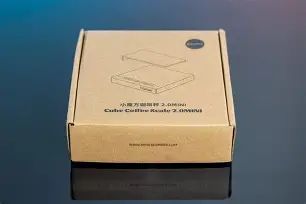
Upon opening the package, inspect the scale for any visible damage to the display, platform, and base. Confirm that any accessories—USB cable, silicone mat, or quick-start guide—are present. If replaceable batteries are included, check they are correctly installed and observe polarity markings.
2. Initial charge and power-on
If the scale uses a rechargeable battery, connect the supplied cable and allow a full charge before first use. This conditions the battery and reduces the risk of mid-session shutdowns. Power the unit on and let it complete any self-tests. A brief warm-up period helps the sensors settle to a stable baseline.
3. Calibrate if necessary
Some scales ship pre-calibrated, while others provide a calibration routine. Use the manufacturer’s recommended calibration weight if available—typically 100 g, 200 g, or 500 g—placed in the center of the platform. Follow on-screen or manual instructions to complete the calibration. If no calibration weight is available, a precision weight or known mass (like a bag of sugar with a verified weight) can be a temporary substitute, though accuracy will be lower.
4. Position and environment
Place the scale on a level, stable surface away from direct draft or vibration-prone areas (e.g., right next to a blender or heavy foot traffic). For pour-over work, position the kettle to the side to avoid steam hitting the scale; steam can change readings temporarily.
5. Tare and timer usage
Place the empty vessel on the platform, press tare to zero the display, then begin the timer as the first water hits the bed of coffee. Practice starting the timer with one hand while pouring with the other, or enable any auto-start functionality if the scale supports it. Observe how the display responds during fast pours—smooth, lag-free increments indicate strong sensor response.
6. Logging brews and consistency testing
For those who track recipes, brew the same weight and time sequence three to five times to assess repeatability. If the scale offers app integration, save the recipe and note any deviations. If readings vary more than expected, re-level the scale and verify calibration.
Buying guide: what to consider before purchase
When choosing the right coffee scale, buyers should weigh (pun intended) the following criteria based on their primary use case.
Accuracy vs resolution
Accuracy refers to the scale's correctness; resolution is the smallest increment it reports. For espresso dosing, aim for resolution at or below 0.1 g; for outstanding micro-dosing and lab-style work, 0.01 g is beneficial. For pour-over and general household use, 0.1 g resolution paired with stable readings is often sufficient.
Maximum capacity
Consider the heaviest load expected: kettles, carafes, or combined weight if the user places the kettle directly on the scale. A typical home brewer benefits from a capacity of around 2–3 kg; larger capacities are available and useful when multi-cup brewing is frequent.
Looking for the best Electronics deals on Amazon?
See Deals →Platform size and shape
Match the platform size to typical vessels. Espresso portafilters need shallow, wide platforms; tall servers require adequate footprint. A low platform helps to place portafilters close to the basket, reducing leverage and instability.
Timer function and ergonomics
Look for visible, easy-to-press controls and a clear timer display. Some users prefer tactile buttons while others prefer a capacitive touch surface that is easier to wipe clean. Auto-start features that begin timing on the first weight change are a convenience for one-handed pours.
Connectivity and software
If logging or recipe-sharing is important, prioritize wireless-enabled scales with companion apps. Verify the app's features: recipe storage, batch export, firmware updates, and whether it supports both mobile and desktop platforms.
Power: rechargeable vs replaceable cells
Rechargeable batteries reduce long-term cost and environmental impact. Replaceable cell designs allow quick swaps in the field but require spare cells on hand. Consider USB-C charging and how long the scale will last between charges under normal use.
Durability and water resistance
Sealed buttons and a spill-resistant surface extend life in a coffee environment. Look for product descriptions that highlight ingress protection or design choices aimed at preventing liquid damage.
Warranty and support
A clear warranty and responsive support can save time when issues arise. Small manufacturers may offer excellent support, but check community reviews and available documentation for repairability and firmware support.
Price vs necessity
Decide which features are indispensable and which are nice-to-have. For a travel-friendly daily brewer, portability and battery life trump advanced logging. For someone building a home lab of recipes, app integration and fine resolution become more important.
Troubleshooting and tips
- Keep the platform clean—coffee oils and water can introduce slight offsets over time.
- Use a dedicated calibration weight periodically, especially when moving the scale between environments.
- Avoid placing the scale near vibration sources; small tremors can cause fluctuating readings.
- If readings drift, power cycle the scale and recalibrate after it stabilizes at room temperature.
- Store the scale in a protective pouch or box when traveling to prevent knocks to the load cell.
Conclusion
The Mhw 3Bomber Cube Coffee Scale 2.0 offers a compact, practical blend of precision, portability, and convenience that suits a wide range of specialty coffee routines. Whether the priority is precise espresso dosing, repeatable pour-over recipes, or a travel-ready companion, a thoughtful setup and attention to calibration and environment will unlock the scale’s potential. By matching expectations—platform size, resolution, battery behavior, and connectivity—to real-world use cases, buyers and owners can rely on the Cube 2.0 to bring consistency and control to daily brewing sessions. Proper care, simple maintenance, and a few calibration checks ensure it remains a dependable part of the brewing toolkit for years to come.